224 words2 min readcomprehensive

Introduction

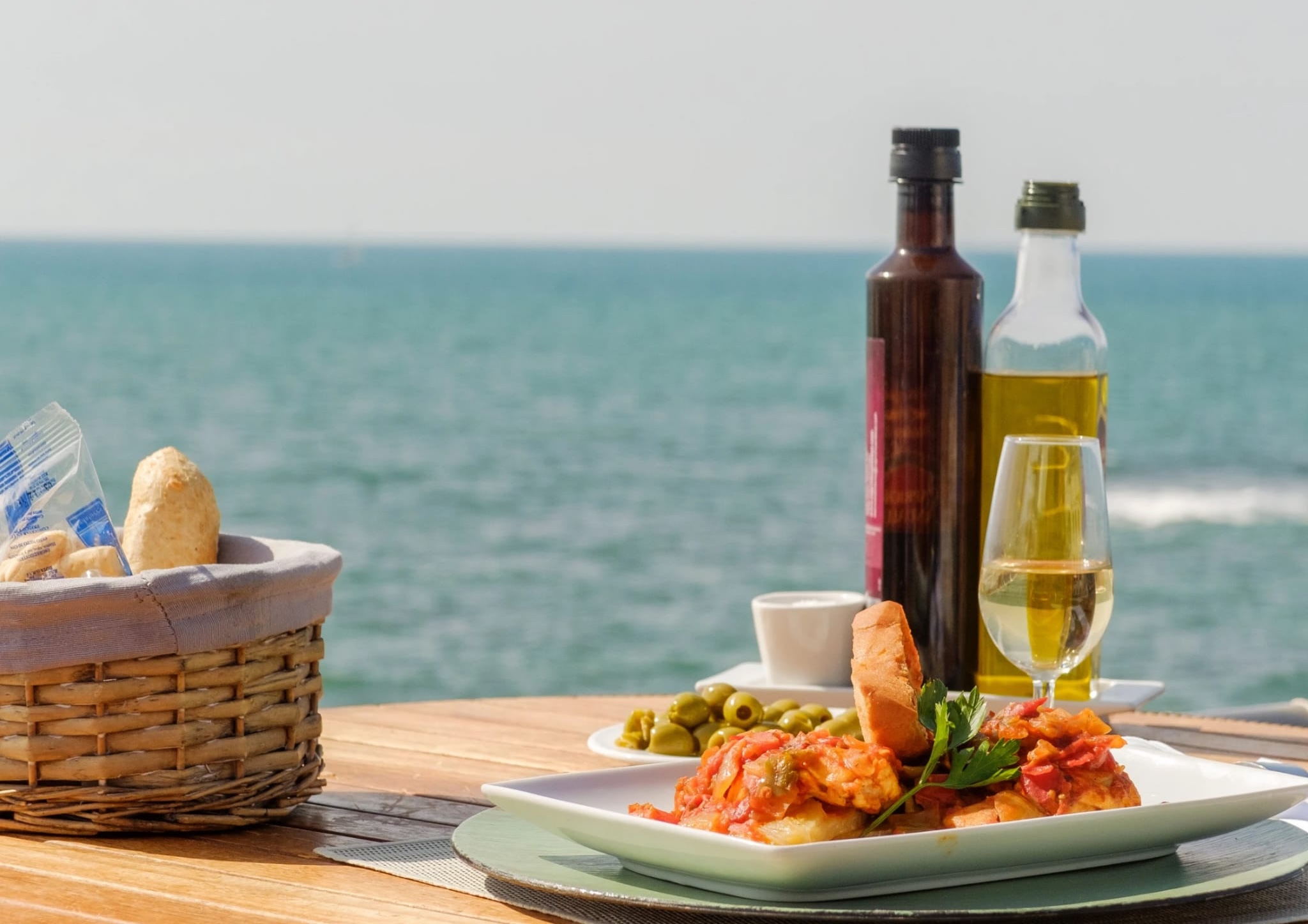
I've eaten my way through Hvar for fifteen years, from humble fishermen's konobas to Michelin-recommended restaurants, and I can tell you this: Hvar's food scene is having a moment that goes far beyond typical tourist fare. This isn't just another island serving grilled fish to sunburned visitors. Hvar's culinary identity represents 2,400 years of cultural layering – Greek techniques, Roman infrastructure, Venetian sophistication, and Ottoman spices, all filtered through the practical wisdom of Dalmatian grandmothers who know that the best meals start with what the sea and soil provide that morning. Every bite tells a story of survival, celebration, and the Mediterranean's ability to turn simple ingredients into something transcendent.

Share this article:

Understanding Hvar's Culinary DNA

Understanding Hvar's Culinary DNA

historical Context: Hvar's food culture didn't develop in isolation. The ancient Greeks planted the first vineyards and olive groves in the 4th century BC. Romans built the infrastructure for salt production and fish preservation. Venetians introduced sophisticated cooking techniques and trade connections. Each culture left ingredients, methods, and flavors that modern Hvar chefs still use daily. This isn't fusion cuisine – it's culinary archaeology where every dish connects to centuries of tradition.
unique Elements:
element: Aromatic Herb Tradition

Hvar's microclimate creates exceptionally potent herbs. Wild rosemary grows everywhere, sage thrives in rocky soil, and bay leaves develop oils so concentrated that one leaf flavors an entire pot. Local cooks don't just season with herbs – they build entire dishes around their aromatic profiles.

element: Ancient Greek Agricultural Methods

The UNESCO-protected Stari Grad Plain still uses Greek field divisions from 384 BC. These ancient growing methods produce vegetables with concentrated flavors that modern industrial agriculture can't match. Tomatoes taste like tomatoes should, olive oil carries terroir like fine wine.

element: Adriatic Seafood Diversity

Hvar's waters host over 200 fish species, but locals focus on quality over variety. Traditional fishing methods and seasonal restrictions mean what reaches your plate was swimming that morning and caught using techniques passed down through generations.

When to Eat What: Hvar's Culinary Calendar

When to Eat What: Hvar's Culinary Calendar

season: Spring (March-May)
    musttry:

    Wild asparagus omelet at local konobas

    Baby artichoke bruschetta with local olive oil

    Sea urchin pasta (ricci di mare) - available March-April only

    restaurant Tips: Make reservations for sunset tables. Many restaurants offer spring tasting menus at reduced prices.
    season: Summer (June-August)
      musttry:

      Fresh fig and prosciutto appetizers

      Lavender honey desserts

      Perfectly ripe tomatoes with homemade mozzarella

      restaurant Tips: Book well in advance. Consider lunch instead of dinner for better prices and availability.
      season: Autumn (September-November)
        musttry:

        New olive oil tastings

        Wild boar peka (traditional slow-cooking method)

        Fresh truffle dishes from nearby mainland

        restaurant Tips: October is perfect - warm weather, lower prices, motivated chefs, and harvest celebrations.
        season: Winter (December-February)
          musttry:

          Traditional preserved foods

          Hearty stews and slow-cooked dishes

          Local brandy (rakija) tastings

          restaurant Tips: Call ahead - many restaurants close or operate limited hours.

          Where to Eat: From Hidden Gems to Culinary Destinations

          Where to Eat: From Hidden Gems to Culinary Destinations

          category: Fine Dining & Gourmet

          Hvar's high-end dining scene competes with Croatia's best restaurants, combining traditional techniques with modern presentation and exceptional local ingredients.

          Gariful

          specialty: Seafood fine dining with harbor views

          Hvar's most famous restaurant didn't earn its reputation by accident. The restaurant sources directly from local fishermen, including their own fishing fleet, and changes the menu based on daily catch. The lobster risotto is legendary, but their simple grilled John Dory with just olive oil, lemon, and herbs showcases why perfect ingredients need minimal intervention. Reservations essential, dress code enforced, but the waterfront setting and impeccable service justify the splurge.

          price Range: €45-80 per person
          reservation Tips: Book sunset tables 2-3 days ahead in season. Request specific tables when booking.
          insider Tip: Ask for the fisherman's special - off-menu items based on unusual daily catches.

          Mediterraneo

          specialty: Modern Dalmatian cuisine

          Hidden in Hvar's old town, Mediterraneo represents the evolution of Croatian cuisine. The chef trained in high-end kitchens but returned to showcase Hvar's ingredients through contemporary techniques. The tasting menu changes monthly, but the signature black risotto with cuttlefish and the lamb peka remain consistent highlights. Wine pairings feature Croatian producers you won't find elsewhere.

          price Range: €35-60 per person
          reservation Tips: Tasting menu requires advance notice. Wine pairings add €25 but are exceptional.
          insider Tip: Request the chef's table for kitchen view and interactions with the cooking team.

          Paradise Garden

          specialty: Garden-to-table dining

          Paradise Garden lives up to its name with terraced gardens overlooking the Adriatic. Everything possible is grown on-site or sourced from neighboring farms. The menu changes daily based on garden harvests and market availability. Their house-made pasta with just-picked herbs and the whole fish baked in salt crust represent Croatian cuisine at its purest.

          price Range: €30-55 per person
          reservation Tips: Garden tables book quickly. Indoor dining available year-round.
          insider Tip: Ask about foraging tours - the chef leads guests to collect wild herbs and vegetables.
          category: Traditional Konobas & Family Restaurants

          These family-run establishments preserve authentic Dalmatian cooking methods and recipes passed down through generations. Expect simple presentations, generous portions, and prices that reflect genuine hospitality rather than tourist premiums.

          Macondo

          specialty: Traditional Dalmatian dishes

          Macondo opened in 1974 and hasn't changed much since - thankfully.

          Family runs this institution where recipes haven't been modernized because they didn't need improving. The fish is grilled over charcoal, and the wine comes from their family vineyard. It's not fancy, but it's real.

          price Range: €15-25 per person
          local Favorites:

          Grilled fish of the day

          House wine from family vineyard

          Junior

          specialty: Fresh seafood and traditional preparations

          This family-owned restaurant, operated by a fishing family for many years, sits on a quiet cobbled street near the port. There's a focus on daily-caught fresh fish, and the staff takes pride in explaining the preparation methods and which wine pairs best. The restaurant maintains that authentic Croatian maritime atmosphere while serving consistently fresh seafood.

          price Range: €20-35 per person
          unique Experience: Watch the preparation of your fish and learn about traditional Croatian fishing methods.
          insider Tip: Arrive early for the best selection of daily catch.

          Konoba Maestro

          specialty: Quality over quantity approach

          Maestro's menu lists maybe eight dishes, but each represents perfection within its category. The octopus salad uses octopus caught in traditional clay pots. The lamb comes from free-range animals on nearby islands. Even the bread is baked fresh hourly. Maestro proves that focusing on a few dishes done exceptionally well beats extensive menus done adequately.

          price Range: €18-30 per person
          signature: Slow-cooked octopus with potatoes and olive oil
          insider Tip: Try the daily special - usually based on seasonal ingredients or special preparations.

          Dalmatino

          specialty: Traditional recipes with modern presentation

          Dalmatino bridges traditional and contemporary Croatian cuisine. Traditional recipes get plated with modern techniques, but flavors remain authentically Dalmatian. Their octopus carpaccio and cuttlefish risotto have become Instagram famous.

          price Range: €25-40 per person
          atmosphere: Elegant but relaxed, perfect for special dinners
          insider Tip: The wine list features small Croatian producers with detailed tasting notes.
          category: Hidden Local Spots

          These places don't advertise, don't have fancy websites, and sometimes don't even have signs. They exist for locals and the occasional tourist lucky enough to discover authentic Hvar dining.

          Moli Onte (Milna Bay)

          specialty: Beachfront simplicity

          A wooden shack on Milna Beach serving grilled fish, Croatian beer, and sea view. No reservations, no credit cards, no pretensions - just fresh fish grilled over wood charcoal and served with tomato salad and bread. It's what Mediterranean dining was before it became a tourism marketing concept.

          price Range: €12-35 per person
          experience: Eat with your feet in the sand, swimming between courses
          insider Tip: Bring cash and arrive by 7 PM for the best fish selection.

          Hvar's Signature Ingredients: What Makes the Food Special

          Hvar's Signature Ingredients: What Makes the Food Special

          Adriatic Fish Varieties

          Hvar's waters produce fish with flavors that reflect the sea's exceptional clarity and diverse marine ecosystem. Local fishing traditions prioritize quality over quantity, with seasonal restrictions that ensure sustainability.

          top Varieties:
          fish: John Dory (Šampjer)

          Called St. Peter's fish due to the legend of fingerprint marks on its sides. Delicate, flaky white meat with subtle flavor that locals consider the king of Adriatic fish. Best preparation: grilled whole with olive oil, lemon, and herbs.

          season: Year-round, best May-October
          cooking Tip: Never overcook - the meat becomes tough. Watch for the eyes to turn white.
          fish: Dentex (Zubatac)

          Large predatory fish with firm, meaty texture and rich flavor. Prized for its size and taste, often reserved for special occasions. The head makes excellent fish soup.

          season: Best in autumn when they're fattiest
          cooking Tip: Perfect for whole roasting or thick steaks on the grill.
          fish: Scorpionfish (Škarpina)

          Ugly but delicious, scorpionfish provides the base for traditional fish soups and stews. The meat is sweet and flaky, and the bones add incredible flavor to broths.

          season: Winter months for best flavor
          cooking Tip: Essential for authentic fish soup - the uglier the fish, the better the soup.
          fish: Sea Bass (Brancin)

          Premium fish with clean, mild flavor and firm texture. Wild Adriatic sea bass tastes completely different from farmed versions - cleaner, more complex, with natural saltiness.

          season: Spring and fall for wild specimens
          cooking Tip: Simple preparations showcase quality - salt, herbs, and olive oil only.

          Hvar Olive Oil

          Hvar's olive oil isn't just cooking fat - it's the foundation of island cuisine. The combination of ancient olive varieties, stone terraces, and Mediterranean climate produces oils with distinctive character and exceptional quality.

          varieties:
          type: Oblica
          characteristics: Hvar's most common variety, producing fruity oil with mild peppery finish. Perfect for everyday cooking and salad dressings.
          best Use: Daily cooking, bread dipping, salad dressings
          type: Lastovka
          characteristics: Ancient variety producing intense, peppery oil with herbal notes. Limited production makes it precious for finishing dishes.
          best Use: Finishing oil for grilled fish, drizzling over vegetables
          production Insights: Traditional stone mills crush olives within hours of harvest, preserving maximum flavor and nutrition. Many families still harvest by hand and press small batches for personal use.
          tasting Notes: Quality Hvar olive oil should taste fresh, fruity, and slightly peppery. Color ranges from golden to green depending on harvest timing and olive variety.

          Wild Mediterranean Herbs

          Hvar's herbs grow wild across the island, concentrated by sun and sea air into intensely aromatic cooking ingredients. These aren't cultivated herbs - they're foraged from hillsides where they've grown for millennia.

          key Herbs:
          herb: Wild Rosemary
          flavor: More intense than cultivated varieties, with pine and camphor notes
          uses: Grilled meats, roasted vegetables, herb-crusted fish
          foraging Tip: Best collected in morning when oils are most concentrated
          herb: Wild Sage
          flavor: Earthy, slightly bitter, with stronger flavor than garden sage
          uses: Pasta sauces, grilled fish, traditional medicine teas
          cultural Note: Locals dry sage for year-round use in traditional remedies
          herb: Bay Leaves
          flavor: Highly aromatic with eucalyptus and clove notes
          uses: Essential for stews, peka cooking, fish soups
          quality Tip: Fresh bay leaves should be glossy and strongly aromatic when crushed

          Hvar Lavender

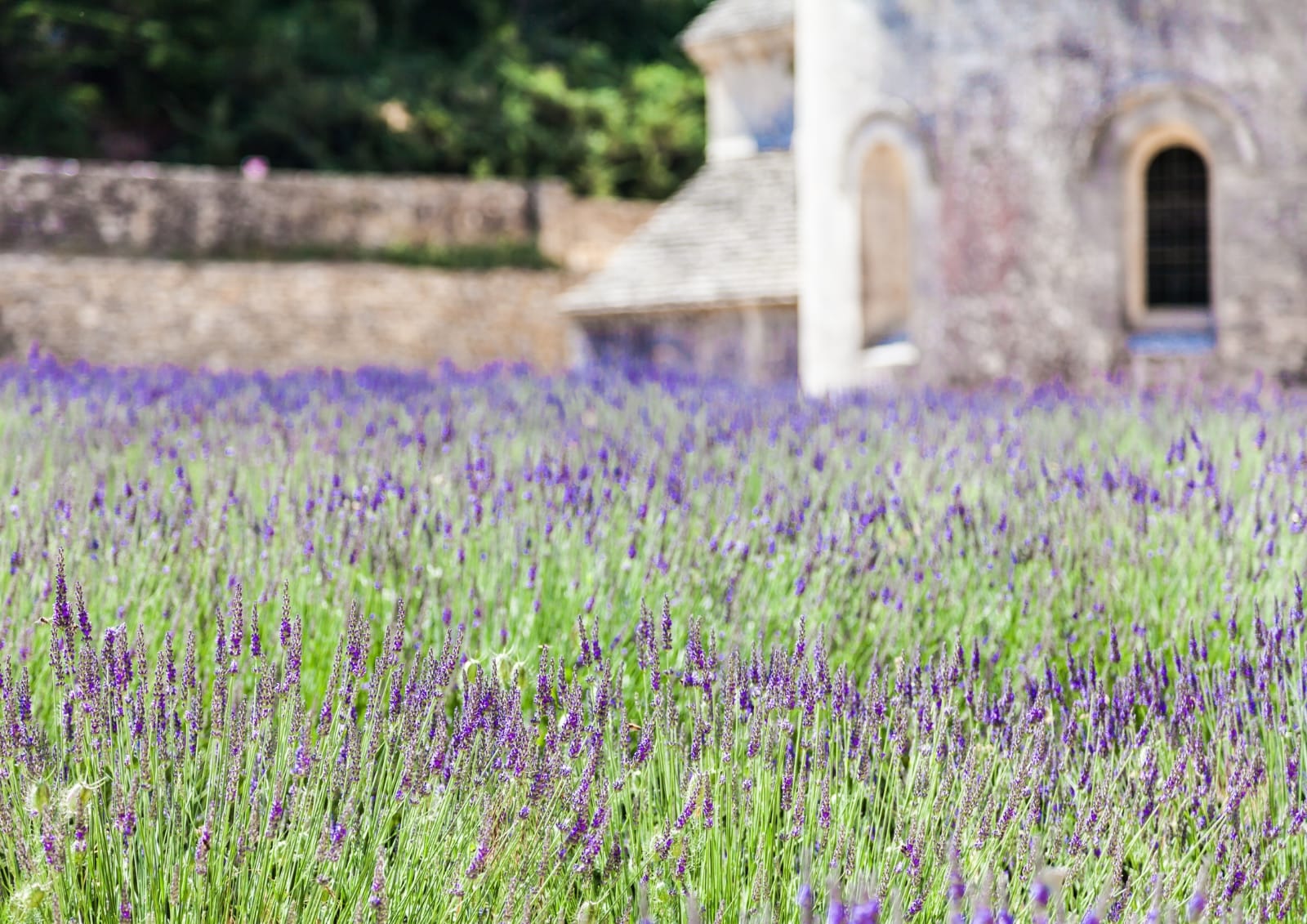
          Beyond its famous purple fields, Hvar lavender appears in local cuisine as honey, dessert flavoring, and herbal teas. The island's lavender variety (Lavandula x intermedia) produces particularly aromatic flowers ideal for culinary use.

          culinary Uses:

          Lavender honey - pairs beautifully with local cheeses

          Dessert flavoring - especially in ice cream and cakes

          Herbal teas - often mixed with other Mediterranean herbs

          Cocktail garnish - adds floral notes to gin-based drinks

          seasonality: Peak bloom June-July, harvested for maximum oil content
          quality Indicators: Culinary lavender should be fragrant but not overpowering, with sweet rather than medicinal aroma

          Signature Dishes: The Soul of Hvar Cuisine

          Signature Dishes: The Soul of Hvar Cuisine

          Pašticada

          The undisputed queen of Dalmatian cuisine, pašticada represents the pinnacle of slow-cooking artistry. This isn't just beef stew - it's a cultural institution that requires two days of preparation and techniques passed down through generations.

          preparation: Premium beef (usually round or chuck) is marinated overnight in wine and aromatics, then slowly braised with vegetables, prunes, and herbs for 4-6 hours. The sauce reduces to concentrated perfection, sweet and savory with complex depth that only time can create.
          traditional Serving: Always served with homemade gnocchi (njoki) or pasta, never rice or potatoes. The gnocchi absorb the rich sauce while maintaining their texture.
          cultural Significance: Reserved for Sunday dinners, holidays, and special celebrations. Every family has secret ingredients - some add chocolate, others wine grape leaves, creating subtle variations.
          restaurant Recommendations:

          Konoba Menego - follows traditional family recipe unchanged for decades

          cooking Tips: Never rush pašticada. The meat should fall apart when touched with a fork, and the sauce should coat the back of a spoon. Quality wine is essential - if you wouldn't drink it, don't cook with it.

          Peka (Under the Bell)

          Peka isn't just a cooking method - it's a social ritual connecting modern Hvar to its pastoral past. Meat and vegetables slow-cook under a metal bell covered with hot coals, creating a steam oven that produces incredibly tender results.

          traditional Process: Cast-iron pot holds lamb, veal, or octopus with potatoes, onions, and herbs. The metal bell (peka) covers everything, then hot coals pile on top. Cooking takes 2-3 hours with coals refreshed regularly.
          social Aspect: Traditionally cooked outdoors while families socialize. The long cooking time becomes part of the celebration, not an inconvenience.
          variations:

          Lamb peka - Easter and celebration standard

          Veal peka - everyday family version

          Octopus peka - coastal specialty using large octopus

          Vegetable peka - modern healthy adaptation

          restaurant Experience: Many restaurants require advance ordering since peka can't be rushed. Some offer demonstrations of the traditional process.
          flavor Profile: Meat becomes fork-tender, vegetables absorb meat juices, herbs concentrate into aromatic coating. The enclosed cooking preserves every flavor.

          Brujet and Gregada

          These fish stews represent Hvar's connection to Venetian cuisine while maintaining distinctly Croatian character. Both showcase the principle that superior ingredients need minimal intervention.

          brujet:

          Mixed fish stew with tomatoes, wine, and herbs. Origins trace to Venetian brodetto but adapted for Adriatic fish varieties.

          technique: Various fish types cook together, each adding flavor to the communal broth. The sauce is key - tomatoes, white wine, olive oil, and herbs creating complex base.
          fish Selection: Combines firm fish (like scorpionfish) with delicate varieties (like John Dory) for textural contrast
          serving: Traditionally served with polenta or crusty bread to absorb the flavorful broth
          gregada:

          Simpler fish stew focusing on one fish type, usually larger specimens like grouper or sea bass.

          philosophy: Celebrates individual fish characteristics rather than blending flavors
          preparation: Fish, potatoes, onions, wine, and herbs. The simplicity demands perfect ingredients.
          technique: Gentle simmering preserves fish texture while vegetables absorb seafood essence
          modern Interpretations: Contemporary chefs maintain traditional techniques while refining presentations and sourcing highest-quality ingredients.

          Hvar Black Risotto

          Croatia's most Instagram-famous dish also happens to be one of its most authentic. Black risotto (crni rižot) gets its dramatic color and oceanic flavor from cuttlefish ink, creating a dish that's both visually striking and deeply satisfying.

          authenticity: Despite social media fame, black risotto has century-old roots in Dalmatian fishing communities. Fishermen's wives created it from readily available ingredients - rice, cuttlefish, and whatever vegetables were handy.
          technique: Cuttlefish cooks slowly until tender, releasing ink that colors and flavors the risotto. Proper stirring technique and rice quality determine final texture.
          common Mistakes: Using artificial coloring instead of natural ink, adding dairy products, overcooking the cuttlefish until rubbery
          restaurant Variations:

          Traditional version with just cuttlefish

          Seafood mix adding shrimp or mussels

          Modern presentations with artistic plating

          paired With: Crisp white wine, ideally Croatian Pošip or Grk varieties that complement rather than compete with oceanic flavors

          Liquid Culture: Hvar's Wine Heritage and Drinking Traditions

          Liquid Culture: Hvar's Wine Heritage and Drinking Traditions

          wine Heritage:

          Hvar's wine story spans over 2,400 years, from Greek colonists who first planted vines to modern vintners creating world-class wines. The island's unique terroir - limestone soil, Mediterranean climate, and constant sea breezes - produces wines with distinctive character that reflect their maritime environment.

          terroir: Limestone bedrock provides excellent drainage while retaining moisture. Sea influence moderates temperatures and adds mineral complexity. South-facing slopes maximize sun exposure while north slopes provide cooler microclimates for white varieties.
          key Varieties:
          grape: Plavac Mali
          type: Red

          Croatia's signature red grape thrives on Hvar's sun-baked slopes. Related to Italian Primitivo and California Zinfandel, Plavac Mali produces powerful, full-bodied wines with high alcohol and intense fruit flavors.

          characteristics: Deep color, rich tannins, flavors of dark fruit, herbs, and Mediterranean spices. Best examples show remarkable complexity and aging potential.
          food Pairings: Perfect with grilled meats, peka dishes, and aged cheeses. The wine's power matches robust Dalmatian flavors.
          top Producers:

          Zlatan Otok - island's most famous winery with premium Plavac Mali Reserve

          Vina Carić - family estate producing elegant, terroir-driven wines

          Dingač - mainland appellation producing Croatia's most prestigious Plavac Mali

          grape: Pošip
          type: White

          Indigenous Croatian white grape producing crisp, mineral-driven wines perfect for seafood. Pošip adapts well to Hvar's climate while maintaining freshness and acidity.

          characteristics: Light golden color, citrus and stone fruit flavors, mineral finish, moderate alcohol. Best versions show complexity without heaviness.
          food Pairings: Ideal with grilled fish, seafood risottos, and light pasta dishes. The wine's acidity cuts through olive oil and enhances seafood flavors.
          quality Indicators: Look for wines with clear fruit definition, balanced acidity, and subtle herbal notes reflecting Mediterranean terroir.
          grape: Bogdanuša
          type: White

          Ancient variety producing unique wines with herbal complexity. Less common than Pošip but equally authentic to Hvar's winemaking heritage.

          characteristics: Distinctive herbal nose, medium body, interesting texture, food-friendly acidity
          cultural Note: Often used in traditional celebrations and family gatherings rather than commercial production
          wineries:

          Zlatan Otok

          specialty: Premium Plavac Mali and traditional varieties
          experience: Comprehensive tasting with vineyard tours and traditional wine-making demonstrations. Their Plavac Mali Reserve represents Hvar wine at its finest.
          location: Multiple locations including Sveta Nedjelja
          tasting Tips: Book the sunset tasting for spectacular views over vineyard terraces to the sea. Try their aged reserves to understand Plavac Mali's potential.
          price Range: €15-25 for standard tastings, €35-50 for premium experiences

          Vina Carić

          specialty: Boutique family wines with personal attention
          experience: Intimate tastings with family members who explain winemaking traditions and show you vineyards planted by previous generations. Focus on quality over quantity.
          unique Offering: Traditional stone house tastings with homemade food pairings
          philosophy: Small production, hand-harvesting, minimal intervention winemaking
          reservations: Essential - limited capacity ensures personal attention

          Alavia Winery

          specialty: Modern winemaking with traditional varieties
          experience: Contemporary tasting room with panoramic views, focusing on clean, precise wines that express Hvar terroir without excessive manipulation.
          innovation: Experimenting with organic viticulture and natural winemaking methods
          atmosphere: Modern, minimalist design contrasting with traditional vineyard setting
          traditional Drinks:
          drink: Rakija (Croatian Brandy)

          Every Croatian family makes rakija, and Hvar versions often incorporate local herbs and fruits. This isn't just alcohol - it's medicine, social lubricant, and cultural tradition rolled into one potent spirit.

          varieties:

          Travarica - herb-infused rakija using wild Hvar herbs

          Smokva - fig brandy made from abundant local fig trees

          Carob - unique to Hvar, using dried Carob fruits

          etiquette: Always accept offered rakija in social situations. Sip slowly and appreciate the craftsmanship. Never refuse elderly person's homemade rakija.
          quality Markers: Homemade versions are usually superior to commercial. Look for clear color, clean aroma, smooth finish despite high alcohol content.
          drink: Prošek

          Traditional Croatian dessert wine made from dried grapes, similar to Italian passito wines. Hvar prošek often incorporates local grape varieties for unique character.

          production: Grapes dry in sun or controlled conditions, concentrating sugars and flavors. Fermentation produces sweet wine with complex dried fruit characteristics.
          serving: Traditional with desserts, especially fig cake or local pastries. Also enjoyed as digestif after heavy meals.
          authenticity: Look for small-producer versions rather than commercial brands for authentic flavor profiles.

          Where and When to Buy the Best Ingredients

          Where and When to Buy the Best Ingredients

          markets:

          Hvar Town Morning Market

          location: Main square (Pjaca)
          schedule: Daily 7:00-12:00, best selection 8:00-10:00

          Small but authentic market where locals shop for daily ingredients. Vendors include island farmers, fishermen's wives, and artisanal producers selling directly to consumers.

          • Local lavender products - various vendors selling homemade lavender oil, honey, and dried flowers
          • Fresh fish corner - whatever didn't go to restaurants from morning catch
          • Seasonal produce - tomatoes, peppers, herbs grown in traditional island gardens
          shopping Tips:

          Bring cash - many vendors don't accept cards

          Learn basic Croatian numbers for easier transactions

          Taste before buying - vendors expect and encourage sampling

          Bring your own bags - environmental consciousness is growing

          seasonal Variations: Summer offers maximum variety but higher prices. Spring and fall provide better value with interesting seasonal specialties.

          Stari Grad Wednesday Market

          location: Stari Grad town center
          schedule: Wednesdays 7:00-13:00

          Larger, more authentic market serving local population rather than tourists. Better prices and wider selection of traditional Croatian products.

          advantages:

          Lower prices than Hvar Town

          More interaction with local families

          Traditional products not found in tourist areas

          Better selection of preserved foods and homemade specialties

          transportation: 20-minute bus ride from Hvar Town, buses align with market hours
          specialty Shops:

          Radojković Olive Mill

          location: Bogomolje village
          products: Premium olive oil, traditional mill experience
          experience: Traditional stone mill demonstration, olive oil tasting, educational tour about olive cultivation and production methods passed down through generations.
          quality Guarantee: Family-operated for over 100 years, using only estate olives, cold-pressing within hours of harvest
          purchasing: Buy directly from mill for best prices and freshness. They'll explain different harvest times and flavor profiles.
          seasonal Events: October olive harvest participation - hands-on experience picking olives and traditional pressing methods

          Hvar Lavender Cooperative

          location: Multiple locations in Hvar Town
          products: Authentic lavender products, culinary lavender, lavender honey
          quality Assurance: Certified organic lavender grown using traditional methods without pesticides or artificial enhancement
          culinary Products:

          Culinary lavender for cooking and baking

          Lavender honey from bees that feed exclusively on lavender fields

          Lavender salt for finishing dishes

          Lavender-infused olive oil

          purchasing Tips: Buy from cooperative stores rather than tourist shops for guaranteed authenticity and fair prices to farmers

          Local Fishermen Direct Sales

          location: Hvar Harbor, early morning
          schedule: 6:00-8:00 AM when boats return

          Buy directly from fishing boats for the freshest possible seafood at wholesale prices. Requires early rising but offers unmatched quality and cultural experience.

          what To Expected:

          Fish caught within 24 hours, often just hours old

          Prices 30-50% lower than market rates

          Opportunity to learn about local fishing methods

          Seasonal varieties not available in restaurants

          buying Tips:

          Bring cooler with ice if staying in accommodation with kitchen

          Learn to identify fresh fish - clear eyes, bright red gills, firm flesh

          Ask fishermen for cooking recommendations

          Cash only, negotiate prices for multiple fish

          Seasonal Food Celebrations and Events

          Seasonal Food Celebrations and Events

          Hvar Lavender Festival

          timing: Late June/Early July during peak bloom

          Celebration of Hvar's most famous crop with culinary events, traditional music, and lavender harvest activities. Food vendors showcase lavender-infused dishes and local specialties.

          culinary Highlights:

          Lavender honey tastings from multiple local producers

          Traditional pastries with lavender flavoring

          Lavender-infused wines and cocktails

          Cooking demonstrations using lavender in savory dishes

          cultural Significance: Celebrates traditional lavender cultivation methods and their importance to island economy and identity

          Stari Grad Grape Harvest Festival

          timing: September during grape harvest season

          Traditional celebration combining wine harvest with cultural events. Visitors can participate in grape picking and traditional wine-making processes.

          • Grape stomping demonstrations and participation
          • Traditional harvest lunch prepared by local families
          • Wine tasting featuring new vintage alongside aged wines
          • Folk music and dancing in traditional costumes
          authentic Experience: Working celebration where locals actually harvest grapes alongside festival events

          Olive Harvest Festival

          timing: October-November during olive harvest

          Hands-on festival where visitors join traditional olive harvest activities while learning about olive oil production and sampling fresh oil.

          experiences:

          Traditional hand-picking methods in historic olive groves

          Stone mill demonstrations and fresh oil tasting

          Traditional harvest meals prepared with new oil

          Educational workshops about olive varieties and cultivation

          takehome: Participants receive bottles of oil from olives they helped harvest

          Eating Well on Any Budget

          Eating Well on Any Budget

          budget Categories:
          category: Luxury Dining (€50+ per person)

          Fine dining restaurants with exceptional ingredients, professional service, and memorable experiences worth the splurge for special occasions.

          • Gariful for special celebration dinners
          • Mediterraneo tasting menu for culinary adventure
          • Premium winery experiences with food pairings
          value Tips: Lunch menus often offer similar quality at lower prices. Wine pairings add significant cost but enhance the experience.
          category: Mid-Range Comfort (€25-50 per person)

          Traditional restaurants and quality konobas offering authentic Croatian cuisine with good value and atmosphere.

          • Dalmatino for traditional dishes with modern presentation
          • Local konobas for authentic peka experiences
          • Wine bar dinners with local food pairings
          strategies: Share traditional dishes designed for multiple people. Order house wine for excellent value.
          category: Budget Conscious (€15-25 per person)

          Authentic local spots, family restaurants, and simple preparations that prioritize good ingredients over elaborate presentation.

          • Macondo for traditional dishes at honest prices
          • Beachfront konobas for simple grilled fish
          • Market shopping and simple preparation in accommodation
          insider Tips:

          Lunch portions are often as large as dinner but cost less

          Family-style restaurants offer better value than tourist-focused spots

          Local wine costs fraction of imported alternatives

          category: Backpacker/Self-Catering (€10-15 per person)

          Market shopping, simple preparations, and local ingredients providing authentic flavors without restaurant markups.

          strategies:

          Shop morning markets for fresh, affordable ingredients

          Buy directly from fishermen and farmers

          Prepare simple Croatian dishes using local recipes

          Picnic with quality local ingredients and wine

          essential Purchases:

          Local olive oil for cooking and dressing

          Fresh bread from traditional bakeries

          Seasonal vegetables and herbs from markets

          Simple wine from local producers

          money Saving Tips:

          Eat lunch as your main meal - portions are generous and prices lower

          Share traditional dishes designed for multiple people

          Buy wine directly from wineries for better prices and quality

          Time visits during shoulder seasons for lower restaurant prices

          Take advantage of happy hour specials at wine bars

          Shop local markets rather than tourist-focused stores

          Ask locals for their favorite affordable spots

          Essential Food Travel Information

          Essential Food Travel Information

          dining Customs:
          custom: Meal Timing

          Croatians eat late by American standards. Lunch typically runs 1:00-3:00 PM, dinner 8:00-11:00 PM. Many restaurants close between meals.

          tourist Tip: Make dinner reservations for 8:00 PM or later for authentic experience and best atmosphere.
          custom: Bread and Olive Oil

          Most restaurants provide bread and olive oil automatically. This isn't free - expect a small charge (usually €2-3) added to your bill.

          etiquette: If you don't want bread, specify when ordering to avoid the charge.
          custom: Tipping

          10% tip is standard for good service. Round up bills or leave cash on table. Credit card tips are less common.

          calculation: For excellent service, 15% is generous but not expected.
          custom: Wine Culture

          Croatians take wine seriously. House wine is often excellent quality. Don't rush wine service - proper pairings and presentations are valued.

          respect: Ask servers for recommendations and show interest in local varieties. This demonstrates respect for Croatian wine culture.
          language Basics:
          phrase: Dobar tek!
          pronunciation: DOH-bar tek
          meaning: Good appetite! (said before meals)
          usage: Universal greeting when someone is eating
          phrase: Hvala lijepo
          pronunciation: HVAH-lah lee-YEH-po
          meaning: Thank you very much
          importance: Shows respect and appreciation
          phrase: Račun, molim
          pronunciation: rah-CHOON mo-leem
          meaning: The bill, please
          practical: Essential for restaurant dining
          phrase: Što preporučujete?
          pronunciation: shto preh-po-ROO-choo-yeh-teh
          meaning: What do you recommend?
          value: Shows interest in local specialties and often gets better recommendations
          seasonal Considerations:
          season: Peak Summer (July-August)
          challenges: Crowded restaurants, higher prices, advance reservations essential
          advantages: Maximum variety, all establishments open, vibrant atmosphere
          strategy: Book restaurants early, consider lunch instead of dinner, explore less touristy villages
          season: Shoulder Season (May-June, September-October)
          advantages: Better prices, easier reservations, motivated chefs, pleasant weather
          considerations: Some restaurants may have limited hours or seasonal closures
          recommendation: Ideal time for food-focused travel - quality remains high while crowds and prices drop
          season: Off-Season (November-April)
          reality: Many restaurants close, limited selection, weather-dependent dining
          opportunities: Authentic local experience, lowest prices, traditional winter dishes
          approach: Research open restaurants, embrace traditional Croatian winter cuisine, enjoy intimate dining experiences

          Your Culinary Journey Awaits

          Hvar's food scene represents something rare in Mediterranean tourism - authentic cuisine that hasn't been sanitized for international palates. From morning market conversations with local vendors to late-night wine tastings overlooking lavender fields, every meal becomes a cultural exchange. You'll taste the sea in perfectly grilled fish, experience centuries of tradition in slow-cooked peka, and discover why Croatians consider sharing food the highest form of hospitality. This isn't just eating - it's participating in a living culture where food remains central to social life, family identity, and connection to the land and sea. Come hungry, leave enlightened, and return forever changed by understanding that the best travel happens through your taste buds. Dobar tek!
          hvar cuisinecroatian fooddalmatian cookingadriatic seafoodcroatian winemediterranean diettraditional recipeslocal ingredientsfood tourismculinary heritagerestaurant guidecooking classeswine tastingolive oillavenderpeka cookingfish preparationlocal markets

          Related Articles

          How can we help you? 👋

            Company Logo

            Contact info

            Croffers, turisticka agencija, vl. Sanja Marić
            Jurja Matijevića 17, Hvar
            OIB: 89542865131

            Customer support

            Email: [email protected]

            Phone (Sanja): +385 97 675 0979

            Phone (Office): +385 91 896 3726

            Secure payment

            Payment Method 1Payment Method 2Payment Method 3

            Stay connected

            Facebook Icon
            Facebook
            Instagram IconInstagram
            Privacy policyTerms and conditions

            © 2025 Hvar house. All Rights Reserved.